

In the beginning of the Exit West (2017) by Mohsin Hamid, we are introduced to the main characters, Saeed and Nadia, and the unfolding situation in their unnamed city on the brink of war.
The story begins with Saeed noticing Nadia in an evening class on corporate identity and product branding. Saeed is struck by Nadia’s beauty mark and her choice of attire, a flowing black robe that covers her from head to toe. Despite the tensions in their city, life continues with a semblance of normalcy, including attending classes and working. Saeed works at an advertising agency, where he handles outdoor advertising. His thoughts frequently drift to Nadia, whom he finds captivating. One day, he finally musters the courage to speak to her, inviting her for coffee. Nadia, who does not pray despite her conservative attire, turns him down initially but eventually agrees to meet him another time. This encounter marks the beginning of their cautious relationship.
The city, though not yet fully engulfed in conflict, is experiencing increasing violence, with occasional shootings and bombings. Amid this backdrop, Saeed and Nadia navigate their burgeoning friendship. Saeed lives with his parents in a small flat in a once upscale part of town, now crowded and commercialized. His parents, both educated and professional, have seen their fortunes decline with the country’s instability. Nadia, on the other hand, lives alone, having moved out of her family home after university. Her decision to live independently, especially as an unmarried woman, caused a rift with her family, who considered her actions scandalous. Nadia’s life alone comes with its challenges and dangers, but she adapts, finding a job at an insurance company and learning how to protect herself in a city becoming increasingly hostile.
Despite the growing unrest, Saeed and Nadia continue to see each other, their relationship slowly deepening. They meet for dinner at a Chinese restaurant and later at Nadia’s apartment. Nadia’s independent life and her way of dealing with the dangers of the city impress Saeed. Their connection strengthens through shared moments and conversations about their dreams and fears. As the situation in the city deteriorates, with militants taking over the stock exchange and the army responding with maximum force, Saeed and Nadia find solace in each other’s company. They share intimate moments, such as sitting on Nadia’s rooftop terrace and talking under the stars, away from the chaos below. Their interactions are punctuated by the presence of modern technology, especially their phones, which allow them to stay connected even when apart. Saeed, who limits his phone use, and Nadia, who embraces it, represent different approaches to dealing with the isolation and danger surrounding them. The growing violence in the city becomes personal for Nadia when her cousin is killed in a truck bombing. This event brings the reality of the conflict closer to home, impacting Nadia deeply. Saeed supports her through this difficult time, and their bond solidifies further as they navigate their grief and fear together.
In the early chapters, Hamid sets the stage for a story that intertwines personal relationships with the broader socio-political context of a city on the edge. Saeed and Nadia’s evolving relationship against the backdrop of impending war highlights themes of love, survival, and the human desire for connection amidst chaos. The narrative continues to explore the evolving relationship between Saeed and Nadia while the city around them descends further into chaos and violence. These chapters also introduce the magical realism element of the story through the mysterious doors that transport people to different parts of the world.
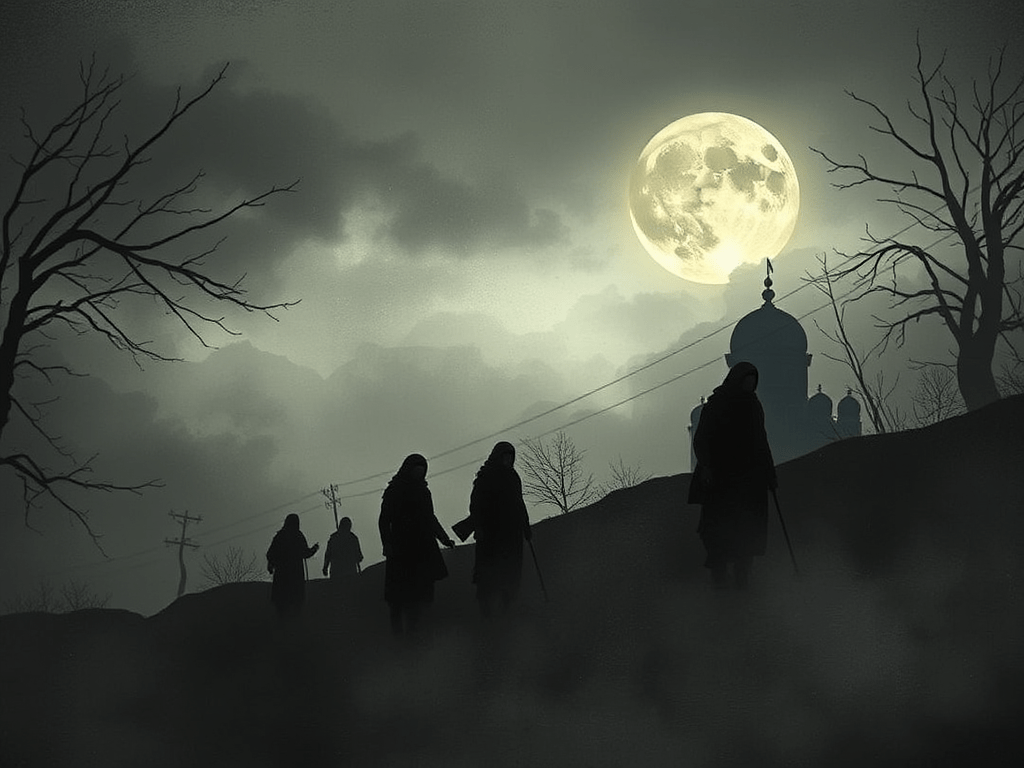
The escalation of conflict begins in Saeed and Nadia’s city. The city is now engulfed in violence, with gunfire, bombings, and militant activity becoming part of everyday life. The militants impose strict control, including curfews and censorship. Despite the dangers, Saeed and Nadia grow closer. They spend more time together, finding solace in each other’s company amidst the turmoil. Saeed’s father becomes increasingly concerned about their safety and urges Saeed and Nadia to get married as a form of protection, although Saeed’s father is aware that their relationship is still new. The idea of marriage creates tension between Saeed and Nadia, as they navigate their feelings for each other in such a pressurized environment. As the violence intensifies, the city’s infrastructure collapses. The internet is cut off, isolating the inhabitants further. Saeed and Nadia, who relied on their phones for connection and escape, find themselves more disconnected from the outside world. Their conversations shift to more serious topics, reflecting their fear and uncertainty about the future. Amid the chaos, rumours spread about doors that can transport people to faraway places. These doors, black rectangles that seem to lead nowhere, become symbols of hope and escape. Initially skeptical, Saeed and Nadia consider the possibility of using these doors to flee the increasingly dangerous city.
Saeed and Nadia’s situation becomes dire as the militants take control of their neighbourhood. They decide to flee their city through one of the rumoured doors. With the help of a contact, they locate a door that is said to lead to a safer place. The process of finding and accessing the door is fraught with danger and uncertainty, but their desperation drives them to take the risk. When they finally pass through the door, they find themselves on a Greek island, transformed from their war-torn city to a place of relative safety. The transition is disorienting, but they are relieved to have escaped the immediate danger. However, their challenges are far from over, as they are now refugees in a foreign land, facing an uncertain future.
Saeed and Nadia struggle to adapt to their new reality as refugees. The Greek island is a temporary refuge, and they live in a camp with other displaced people from around the world. The conditions are harsh, and the future remains uncertain. They must navigate the complexities of refugee life, dealing with the bureaucracy of aid organizations, the hostility of some locals, and the constant threat of being moved or sent back. Despite the difficulties, Saeed and Nadia’s bond grows stronger. They support each other through the hardships, finding moments of tenderness and intimacy amidst the struggle. The island, with its natural beauty and the semblance of peace, provides brief respites from their traumatic experiences. Their relationship is tested as they confront their different coping mechanisms. Saeed finds solace in his faith and the rituals of prayer, while Nadia, who has always been more secular, explores her independence and resilience. These differences sometimes create tension, but they also learn to respect and support each other’s ways of coping. As they settle into the routine of camp life, they hear about other doors that could take them to new places. The allure of these doors lies in the possibility of a better life, free from the precarity of their current existence. The decision to stay or move again looms over them, symbolizing their ongoing quest for safety and stability.
Hamid vividly portrays the physical and emotional toll of being a refugee. Saeed and Nadia’s journey through the magical doors serves as a powerful metaphor for the refugee experience, highlighting the desperation, hope, and resilience that characterize their plight. Their story is interspersed with brief glimpses of other characters around the world, emphasizing the global nature of migration and displacement. As Saeed and Nadia contemplate their next move, the narrative continues to explore themes of love, loss, and the search for belonging in a world marked by conflict and uncertainty. Their journey is both a personal and universal story of survival and adaptation in the face of relentless upheaval. Saeed and Nadia continue their journey through the mysterious doors, navigating the challenges and complexities of their new lives as refugees. These chapters delve deeper into their evolving relationship and the broader themes of migration and displacement.
Saeed and Nadia arrive in a new location after passing through another door. They find themselves in London, which has become a city transformed by an influx of migrants from around the world. The city is divided into neighbourhoods controlled by different groups of migrants, and there is a palpable tension between the newcomers and the native residents. Saeed and Nadia settle in a house occupied by other migrants. The house is crowded and chaotic, but they are grateful for the shelter and the sense of community it provides. They adapt to their new environment, forming bonds with their housemates and participating in the communal life of their neighbourhood. The situation in London is precarious. The city is on the brink of conflict, with the government and some native residents pushing back against the migrant population. There are raids and clashes, and the threat of violence is ever-present. Despite this, there are also moments of solidarity and cooperation among the migrants, who band together to create a semblance of normalcy and stability.
As Saeed and Nadia navigate their new reality, their relationship continues to evolve. Saeed becomes more involved in the religious community within the house, finding solace and a sense of purpose in prayer and ritual. Nadia, on the other hand, remains fiercely independent and secular, embracing the freedom and anonymity that their new life offers. Their differing approaches to coping with their circumstances create tension between them. Saeed’s increasing religiosity and Nadia’s resistance to it lead to conflicts, and they struggle to reconcile their individual needs and beliefs with their commitment to each other. Despite these challenges, their bond remains strong, grounded in their shared experiences and mutual support.
The situation in London deteriorates further. The government imposes stricter measures to control the migrant population, and there are violent clashes between the authorities and the migrants. The house where Saeed and Nadia live becomes a focal point of resistance, with the residents organizing to defend themselves and their community. Saeed and Nadia are drawn into the conflict, participating in protests and efforts to protect their neighbourhood. The constant threat of violence and the stress of their precarious situation take a toll on them. They begin to consider whether it might be time to move again, to seek a safer and more stable environment. During this time, they hear about other doors that might lead to new opportunities. The idea of moving again is both daunting and hopeful, representing the ongoing search for a place where they can truly belong. The tension between the desire for stability and the need to keep moving is a central theme in their journey. As they contemplate their next move, their relationship reaches a turning point. The strain of their circumstances and their differing coping mechanisms lead to a growing emotional distance between them. They begin to question their future together, wondering if their paths might be diverging despite their deep connection.
Further, another significant transition occurs in Saeed and Nadia’s journey. They decide to pass through another door, seeking a new place where they can find safety and rebuild their lives. This time, they arrive in Marin, California, where they find a more peaceful and welcoming environment. In Marin, they experience a respite from the constant danger and instability that has characterized their journey so far. The community is more integrated, with migrants and native residents coexisting relatively harmoniously. Saeed and Nadia have the opportunity to reflect on their experiences and their relationship in this new, calmer setting. As they settle into their new life in Marin, Saeed continues to find solace in his faith, while Nadia explores new aspects of her independence. The differences between them, which were a source of tension, now become a part of their individual growth. They learn to appreciate each other’s perspectives and support each other’s personal journeys. Saeed and Nadia’s journey continues as they adapt to their new life in Marin, California, and their relationship undergoes significant transformations.
Saeed and Nadia settle into Marin, a more peaceful and integrated community compared to the places they have previously lived. The town provides a stark contrast to the turmoil they have experienced, offering them a chance to breathe and reassess their lives. They find a small, cosy apartment and start to establish a routine. In Marin, the migrants and locals coexist with relative harmony, and the town’s atmosphere is one of cautious optimism. Saeed and Nadia participate in community activities and start to build connections with their neighbours. They work various jobs, contributing to the community and slowly rebuilding their sense of normalcy. Saeed continues to find comfort in his faith, attending a local mosque and forming bonds with fellow worshippers. The mosque becomes a place of solace and continuity for him, a connection to his past and his cultural identity. Nadia, however, remains distant from religious practices, instead immersing herself in the local culture and exploring new interests. The differences between Saeed and Nadia, which have been a source of tension, start to manifest more clearly as they settle into their new life. Saeed’s increasing involvement with the mosque and his longing for a sense of tradition and community contrast with Nadia’s pursuit of independence and new experiences. They both recognize these differences, which leads to introspective conversations and moments of reflection about their relationship.
Saeed and Nadia’s relationship reaches a critical juncture. The emotional and ideological distance between them grows, and they begin to consider the possibility of parting ways. Despite their deep affection for each other, they realize that their individual paths may no longer align. This realization is painful but necessary, as they both seek fulfilment in different ways. Their decision to part is mutual and amicable. Saeed and Nadia acknowledge the impact they have had on each other’s lives and the strength they have drawn from their relationship. Their farewell is bittersweet, marked by a deep sense of gratitude and respect. Saeed decides to stay in Marin, where he continues to be involved with the mosque and the local community. Nadia, on the other hand, chooses to move to San Francisco, drawn by the city’s vibrancy and opportunities for personal growth.
Saeed and Nadia embark on their separate journeys. Saeed remains in Marin, where he deepens his ties with the local community and the mosque. He finds a sense of belonging and purpose in helping other migrants adjust to their new lives. Through his faith and community work, Saeed rebuilds his life, drawing strength from his cultural roots and the connections he has forged. Nadia, now in San Francisco, embraces her independence and the freedom to explore new aspects of her identity. She finds a job in a cooperative and becomes involved in social and cultural activities. San Francisco’s diverse and dynamic environment provides her with the space to reinvent herself and pursue her passions.
The narrative also touches on the broader context of global migration. Through brief vignettes, Hamid highlights the experiences of other migrants around the world, emphasizing the universality of displacement and the search for home. These stories underscore the resilience and adaptability of migrants as they navigate new environments and forge new identities. In their separate lives, Saeed and Nadia reflect on their journey together and the ways it has shaped them. Saeed often thinks of Nadia with fondness and gratitude, appreciating the strength and courage she brought into his life. Nadia, too, remembers Saeed with affection, acknowledging the comfort and support he provided during their most challenging times.
As the novel concludes, Saeed and Nadia’s paths cross once more, albeit briefly. They encounter each other in a chance meeting, a moment filled with warmth and mutual respect. They share a brief conversation, updating each other on their lives and expressing their enduring care for one another. This encounter serves as a poignant reminder of the lasting impact they have had on each other, even as they continue to forge their separate paths. Exit West ends on a note of hope and resilience. Saeed and Nadia’s journeys, both together and apart, reflect the broader human experience of migration, adaptation, and the search for belonging. Their story is a testament to the enduring power of human connection and the capacity to find home in the most unexpected places.


 Literary Latitude